About Meros
Rooted in Tradition. Designed for now.
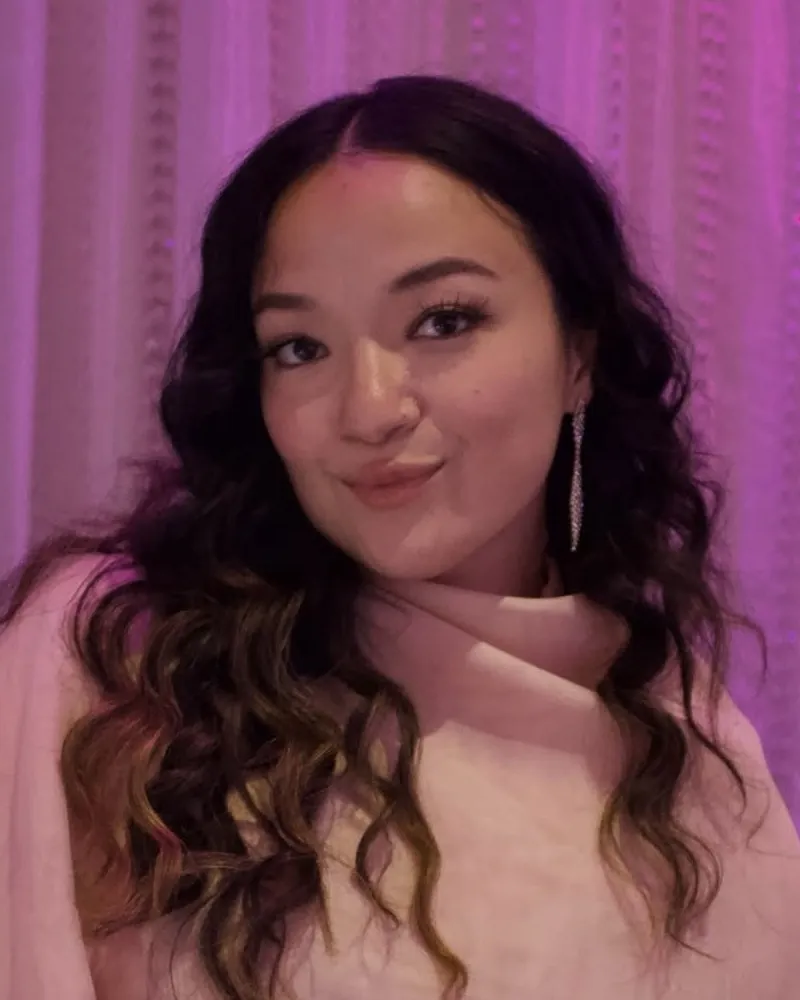
Hi! My name is Sagida, though most know me as Saida or Sai. I am absolutely elated to be able to share my culture in modern spaces and bring you all along with me.
Uzbek roots, worn every day
Accessories honoring the diaspora that hope to connect culture with their everyday look. Each piece is handmade and cared for with love, attention, and generations of craftsmanship — Uzbek roots with a global spirit.
What "meros" means
Meros is the Uzbek word for inheritance — not just what gets handed down, but what you choose to carry forward and make your own. I named the shop after it because that's exactly what this fabric is to me: something inherited, handwoven by people who came before me, that I get to carry into rooms and lives it was never made for. Every piece that leaves this shop is a small piece of that inheritance, reshaped for wherever you're taking it.
Between New Jersey and Uzbek tradition
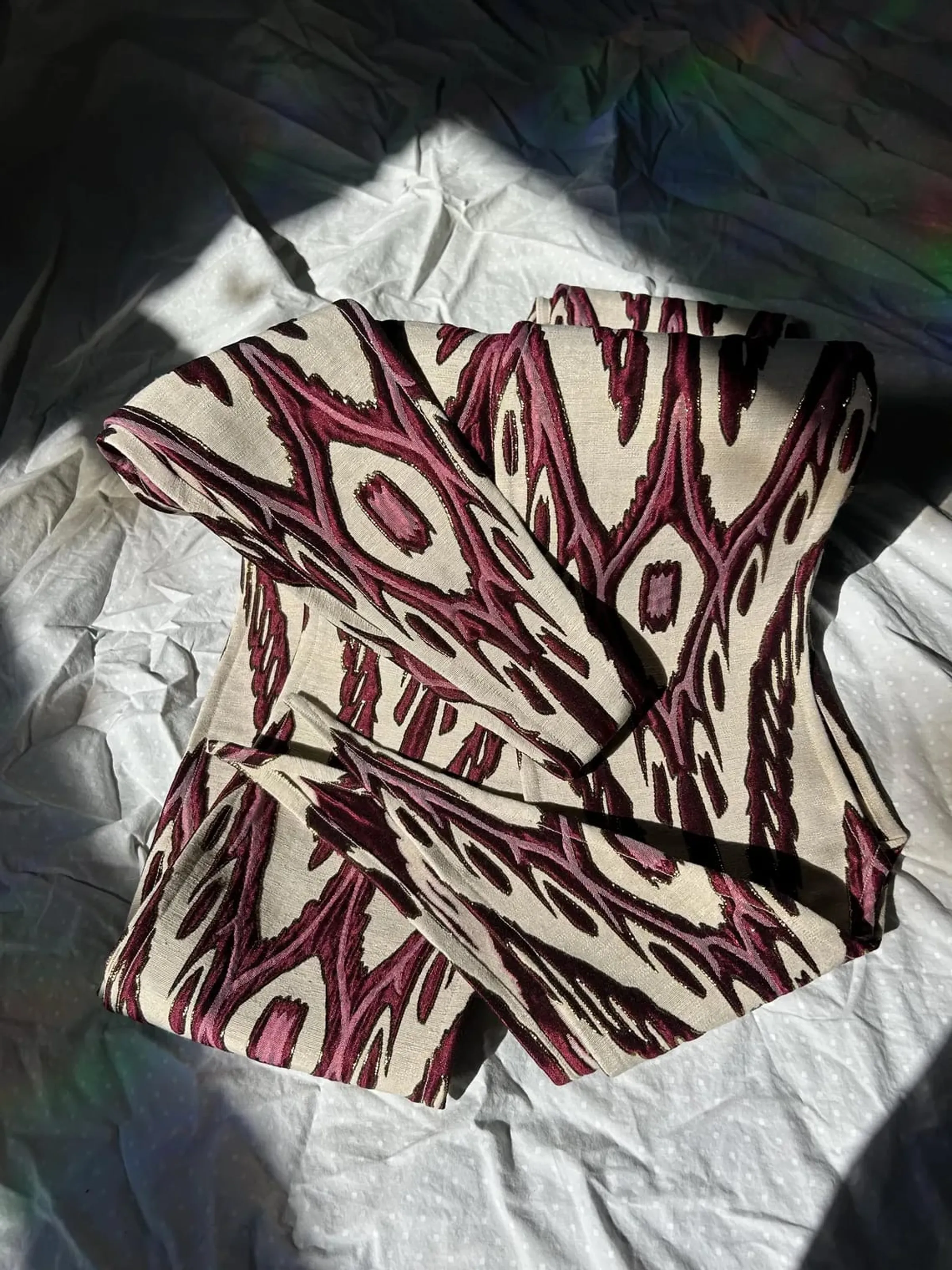
I grew up between two worlds that rarely spoke to each other — Uzbek at home, New Jersey everywhere else. For a long time that felt like something to explain rather than something to wear. Meros Silkworks is what happens when I stopped translating my culture for other people and started just showing it to them instead: the same atlas ikat my family has always worn to weddings and celebrations, cut into something you'd reach for on an ordinary Tuesday.
Why I started
It started small — one bow, made from a scrap of atlas silk I couldn't bring myself to throw away, worn just to see what people would ask about. They asked a lot. That was the moment I realized this fabric didn't need to stay folded away for special occasions only — it could live in daily life, in someone else's closet, carrying a piece of Uzbekistan with it. Meros Silkworks grew out of that one bow.
What I want these pieces to do
More than anything, I want you to feel like you're wearing something that means something — not a costume, not a trend, but a real piece of a real place and a real history that now belongs a little bit to you too. If it starts a conversation, if it makes you feel a little more rooted or a little more seen, if it becomes the thing someone asks about when you walk into a room — that's the whole point.